
ENERGY TRAINING CENTER
BACKGROUND
For more than 30 years, USEA has designed and implemented capacity-building programs for developing country utilities, regulators, and energy ministries to strengthen energy sector operations and planning. Through these programs, USEA has built trusted relationships and established a proven track record in supporting countries to design and implement reforms that deliver lasting impact. Our extensive network—including U.S. equipment manufacturers, engineering firms, consulting firms, utilities, policymakers, regulators, trade associations, and research institutions—enables us to connect global best practices with local needs.
Reliable, modern energy services are essential for human well-being and economic growth, yet millions of people in developing regions still lack access to electricity. Developing countries face urgent challenges in achieving energy security and reliability, while also preparing for future demand growth. Large-scale infrastructure development, cross-border energy trade, sound regulatory frameworks, and resource efficiency are all critical components of this transition. Without strengthened institutional and technical capacity, many countries risk falling short of these goals.
USEA’s decades of experience, global reach, and proven approach enable it to deliver training that is both technically rigorous and practically applicable, helping partners build resilient, sustainable, and financially viable energy systems.
Global Expertise and Knowledge Sharing
USEA will draw on a diverse network of world-class experts and practitioners from the United States and around the world to share their knowledge and best practices. By engaging leading professionals from utilities, regulatory agencies, private industry, and academia, USEA ensures that participants gain exposure to cutting-edge insights, proven strategies, and innovative solutions being implemented across global energy systems.
METRIC 1
METRIC 2
METRIC 3
METRIC 4
Customized Training
Building on three decades of international engagement, USEA is developing a tailored capacity-building service for developing country energy sectors. The program will:
- Draw on global best practices and lessons learned from advanced energy utilities.
- Be customized to the needs of individual countries, utilities, or regulators.
- Address both operational and strategic challenges, from grid integration of diverse resources to regulatory reform and financial management.
When appropriate, USEA will provide participants with certificates recognizing the successful completion of training programs. These certificates will demonstrate participants’ commitment to professional development and their mastery of specific technical or management competencies, enhancing their credibility within the energy sector.
Key Training Areas
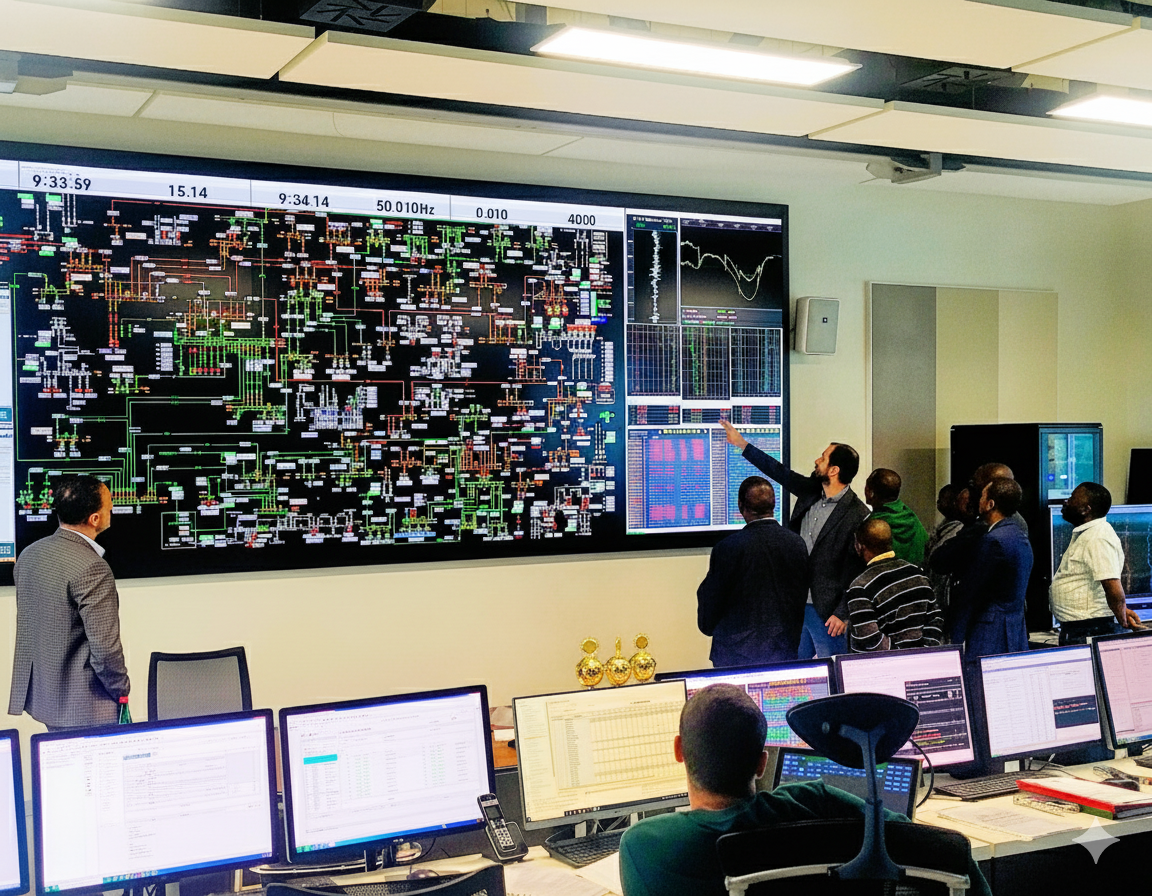
- Improving and streamlining utility business processes and management.
- Enhancing generation, transmission, and distribution operations.
- Improving service quality and customer engagement.
- Reducing operational costs through increased productivity and efficiency.
Impact
- Strengthen energy security and reliability.
- Support the integration of diversified, sustainable energy resources.
- Improve the financial and operational performance of utilities.
- Create opportunities for collaboration and investment between U.S. companies and developing countries.
- Help developing countries build energy systems that safeguard resources for future generations.
Menu of Offerings
Study Tour / Executive Exchange
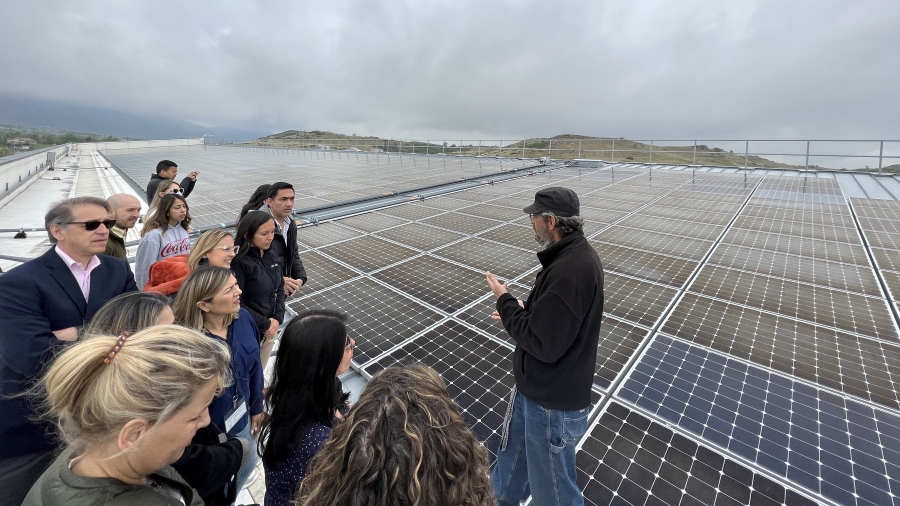
Provides participants with opportunities to visit key U.S. or international companies and organizations that address priority topics and issues identified by the client. These exchanges offer exposure to best practices, leadership approaches, and innovative solutions.
- Study Tour Case Study 1
- Study Tour Case Study 2
Boot Camp
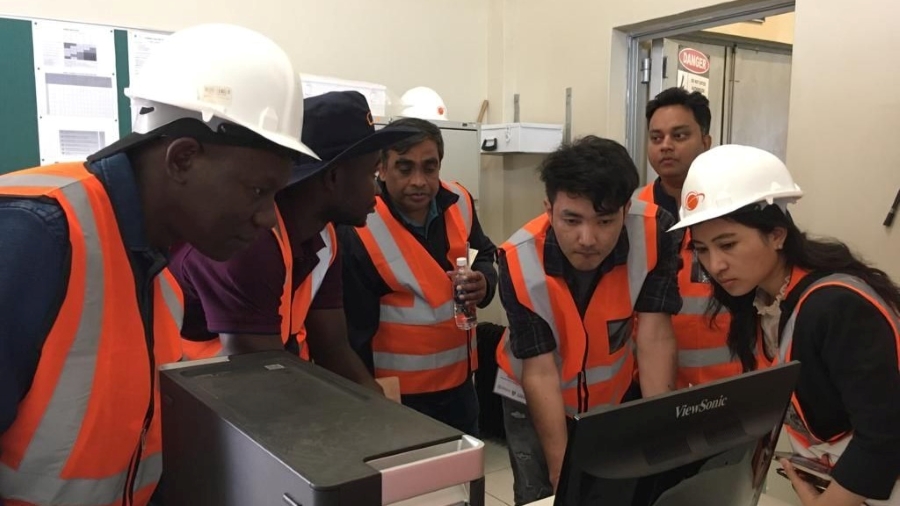
Designed to build or improve specific skills and competencies. Boot Camp is usually structured and longer in duration (ranging from several hours to multiple weeks). It often includes practical exercises, step-by-step learning, and applied practice. Boot Camp can be conducted in person, online, or in a hybrid format.
- Bootcamp Case Study 1
- Bootcamp Case Study 2
e-Learning Series
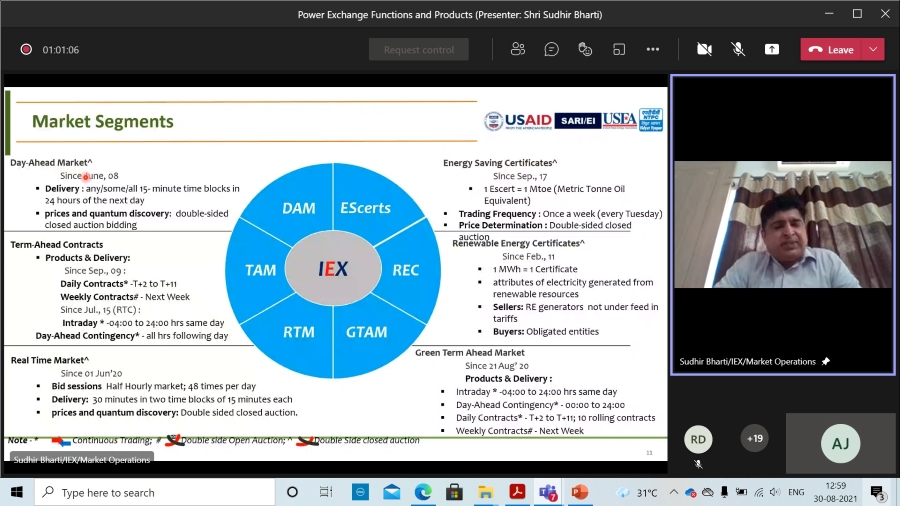
Supports institutional learning through customized, on-demand modules and courses developed in partnership with utility training centers. These programs typically include supporting materials, recorded webinars, and other resources to allow for flexible, self-paced learning.
- e-Learning Series Case Study 1
- e-Learning Series Case Study 2
Workshops
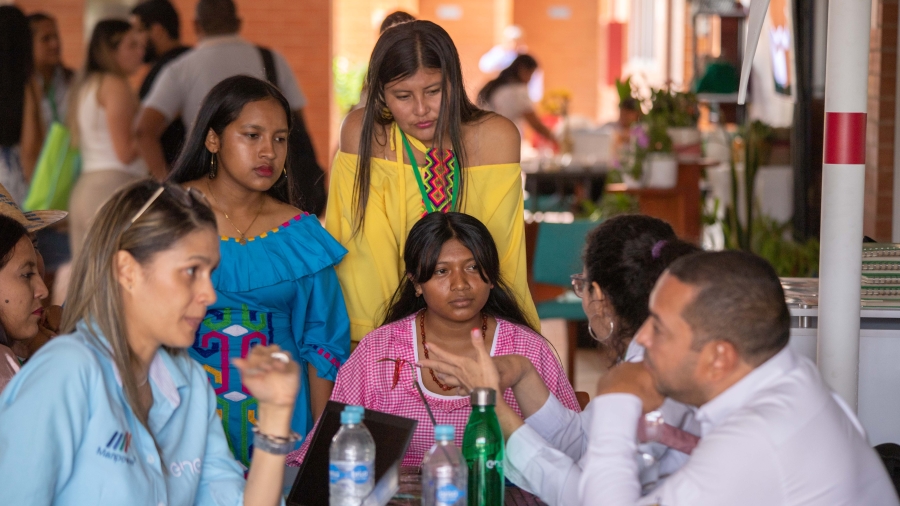
Engages participants in solving problems, practicing techniques, and collaborating. Workshops emphasize active learning and the application of concepts through group work, simulations, and role-play exercises. They are typically shorter in duration (1–3 days), highly interactive, and conducted in smaller groups.
- Workshop Case Study 1
- Workshop Case Study 2
Seminars
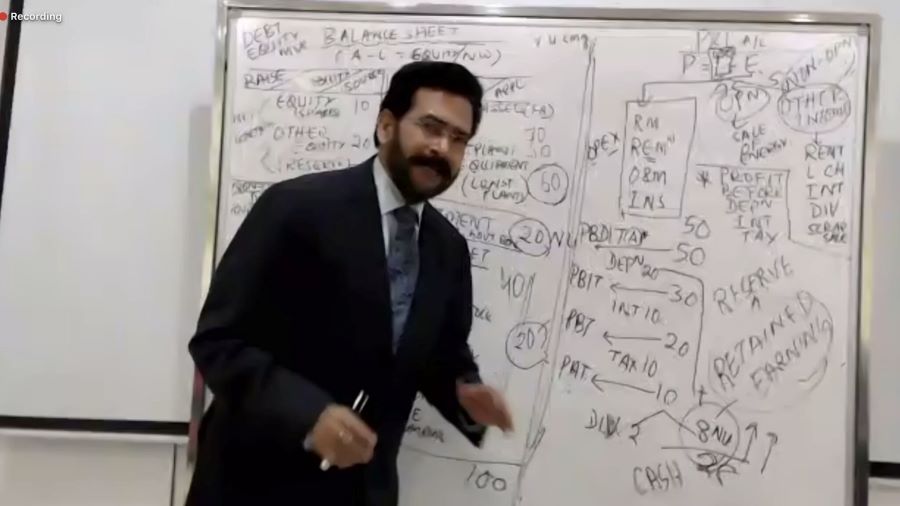
Focuses on sharing and discussing knowledge, ideas, and research findings. Seminars are more academic or lecture-based, often featuring expert speakers followed by Q&A sessions. They are typically shorter in duration (1–2 hours to a half-day) and emphasize theory, concepts, and discussion rather than hands-on practice.
- Seminars Case Study 1
- Seminars Case Study 2
Short-Term Peer Assistance
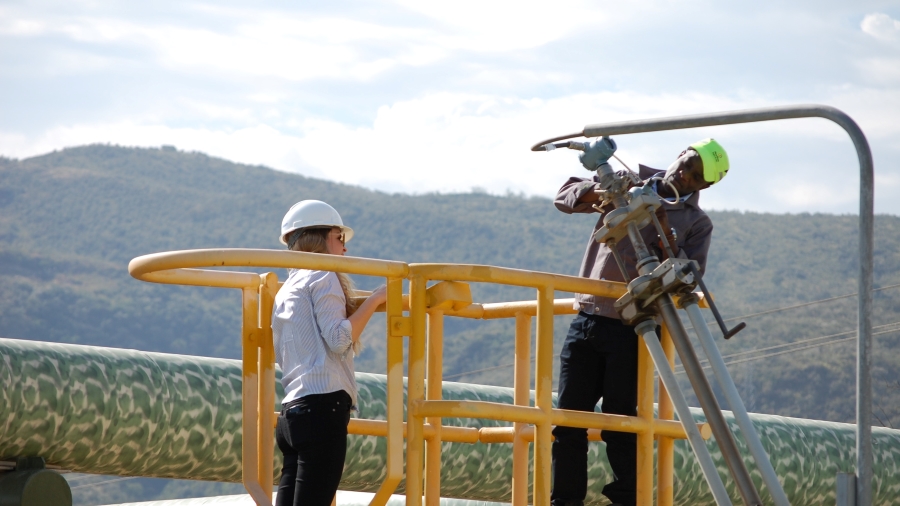
Provides targeted technical expertise by assigning an expert to work directly with a specific group of individuals in-country. The expert delivers tailored guidance and solutions on a defined issue or topic. Assignments are limited to a maximum of 14 days.
- Short-Term Peer Assistance Case Study 1
- Short-Term Peer Assistance Case Study 2
Potential Capacity Building Topics
Energy Sector Reform
- Energy sector institutional reform and restructuring actions
- Promoting professional development for women in energy
- Utility organization and restructuring
- Technical organization management best practices
- Power sector regulation / regulatory impacts on utilities
- Management performance improvement
- Mandates for corporate renewable energy procurements
- Procurement reform
- Developing regulatory competence
Energy Markets
- Data, research and monitoring
- Energy markets & power pools
- Offset and emissions trading actions
- Innovative approaches to incentivize renewable energy purchases
- Market coupling
- Co-optimization of electricity and natural gas markets
Hydrocarbon and Mineral Recovery
- Leasing and tendering for oil, gas, and mineral recovery projects
- Public-private partnerships for hydrocarbon and mineral recovery
- Strategies to attract private investment
- Unconventional and offshore hydrocarbon recovery
Generation
- Generation planning and operations<
- Independent power production
- Power plant repairs
- Plant preventive & predictive maintenance
- Conventional power generation system actions
- Environmental pollution control actions
- Fuel system actions
- Renewable energy actions
- Renewable energy procurement options and strategy development
Transmission
- Transmission system planning and operations
- Coordination and communication with power pools and power plants
- Transmission system operations
- Power pool operations and economic dispatch
- Siting
- Environmental impact assessments
- Cross-border interconnections
- Transmission service pricing and regulation
- Reliability and stability
- Synchronous operation
Distribution
- Management performance improvement
- Distribution system planning and operation
- End-use energy efficiency & demand-side management (DSM) actions
- Distribution system actions
- Billing, collections, and theft prevention
- Outage recovery
- Smart grids and smart meters
- Digitization
Explore
Download Our Brochure
Get Quote
Request Your Custom Training Quote