
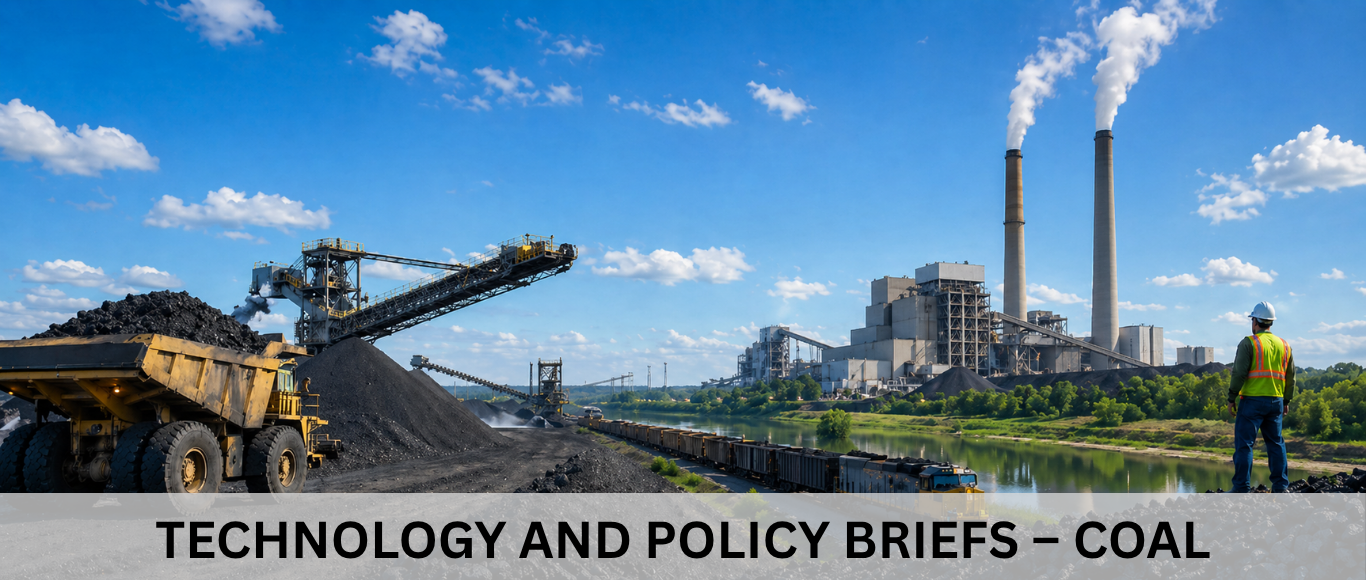
This USEA article series examines the evolving role of coal in the United States’ energy, industrial, and supply-chain landscape. Covering major U.S. regions including the Northeast, Midwest, Southeast, Southwest, and West, the series assesses coal’s continued contribution to grid reliability, fuel security, industrial competitiveness, and regional economic resilience. It also explores emerging pathways beyond traditional power generation, including critical mineral recovery, rare earth elements, coal ash utilization, advanced carbon materials, and coal-to-products technologies. Together, the articles frame coal not only as a legacy energy resource, but as a strategic domestic asset relevant to reliability planning, advanced manufacturing, infrastructure, national security, and the future of U.S. energy and industrial policy.

Expanding U.S. Coal Exports and Strengthening Global Market Positioning
Published: May 2026
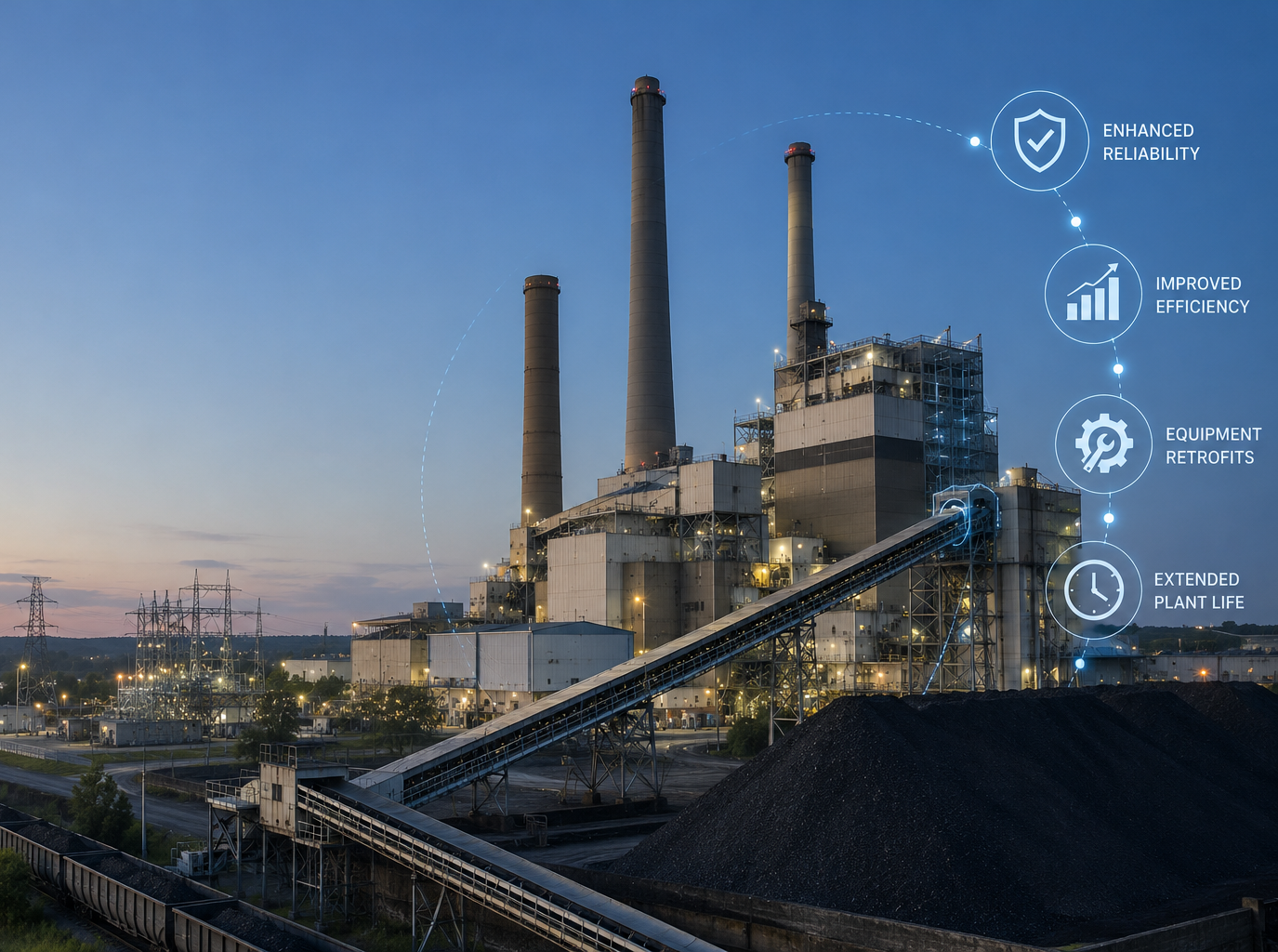
Modernizing the U.S. Coal Fleet: extending plant life through retrofits, digitalization, and efficiency upgrades
Published: April 2026
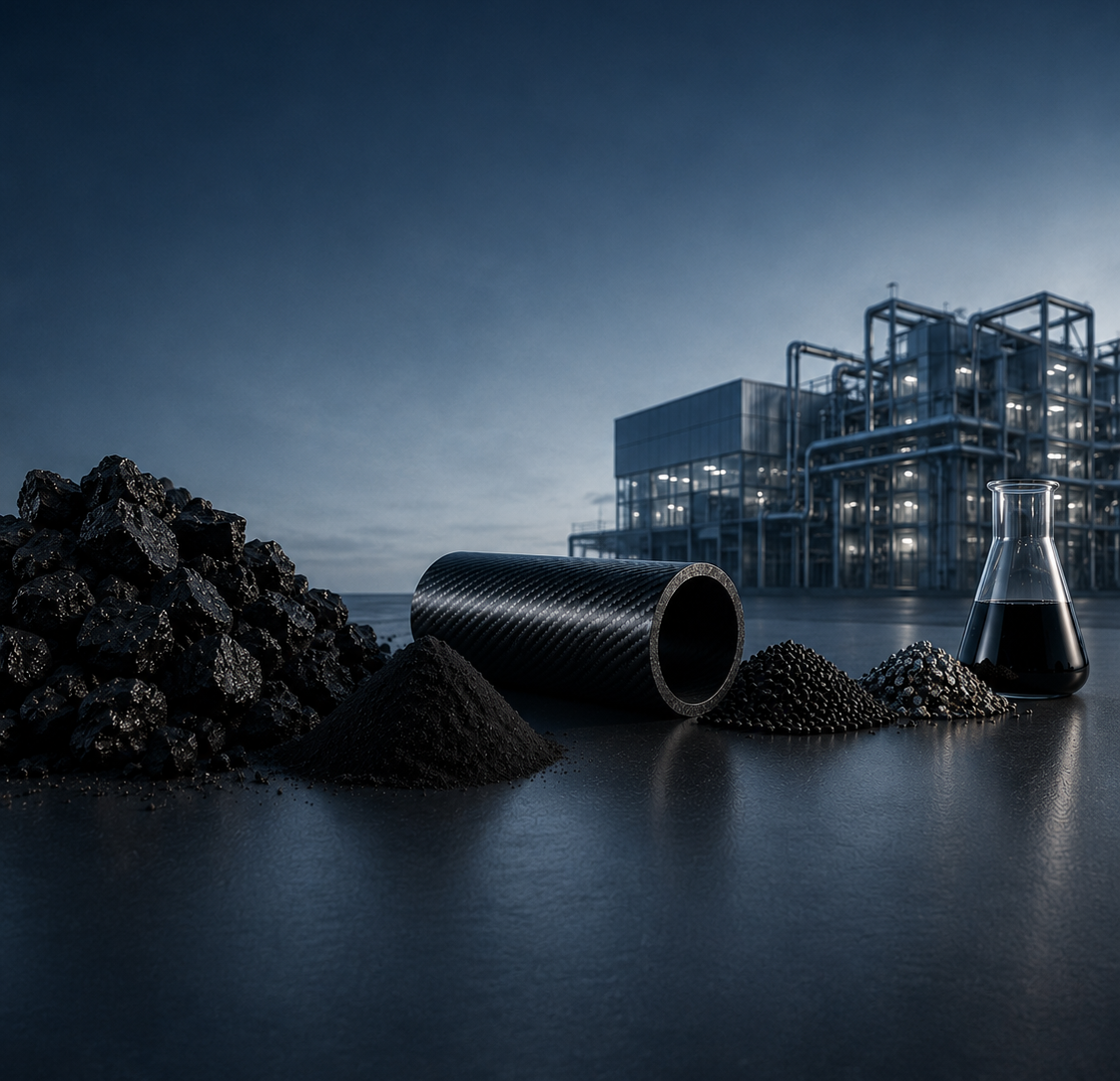
Coal to Products (c2p): expanding the U.S. Coal value chain beyond combustion
Published: March 2026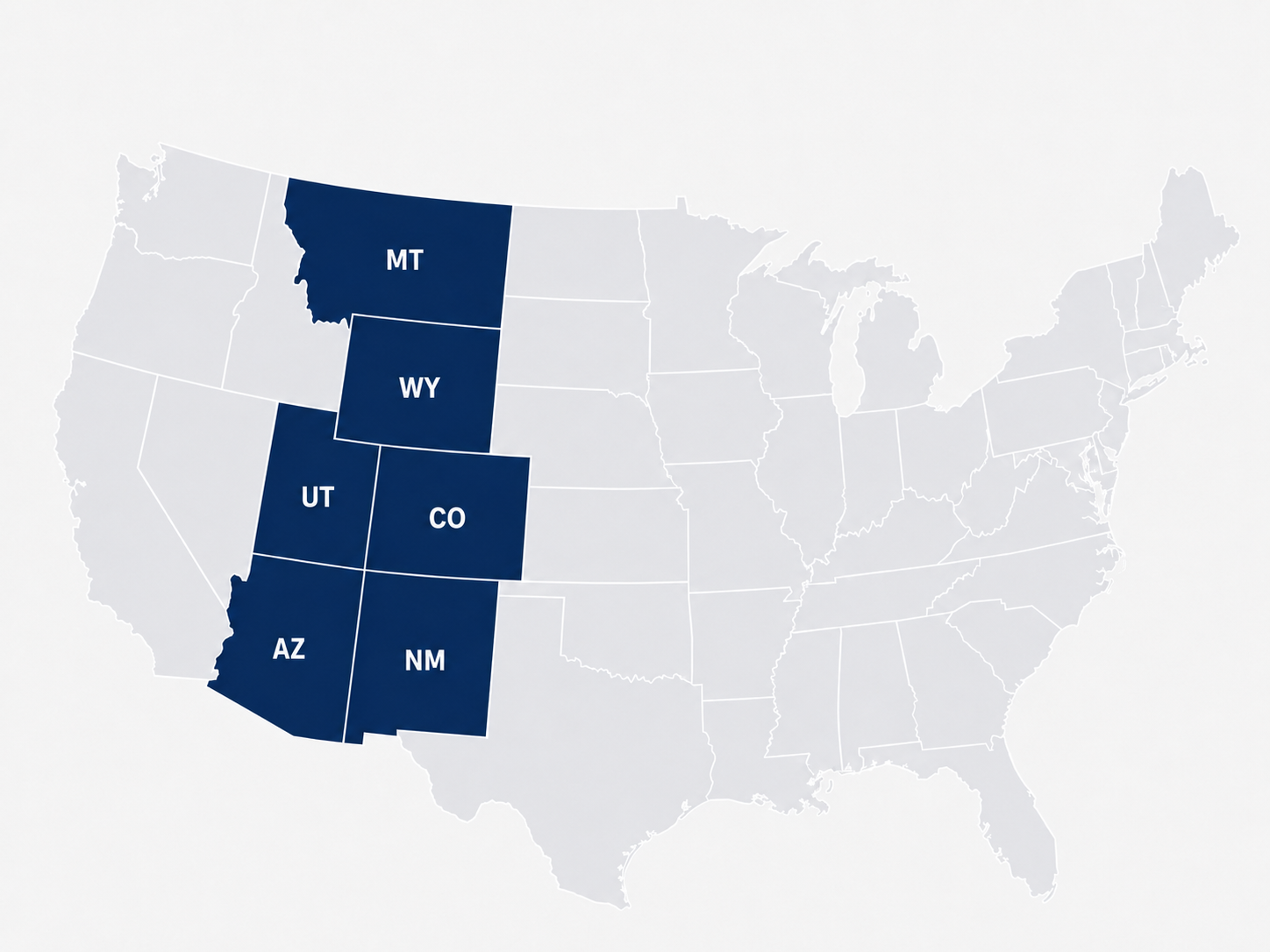
Coal in the Western united states: federal resources, grid reliability, and strategic energy security
Published: April 2026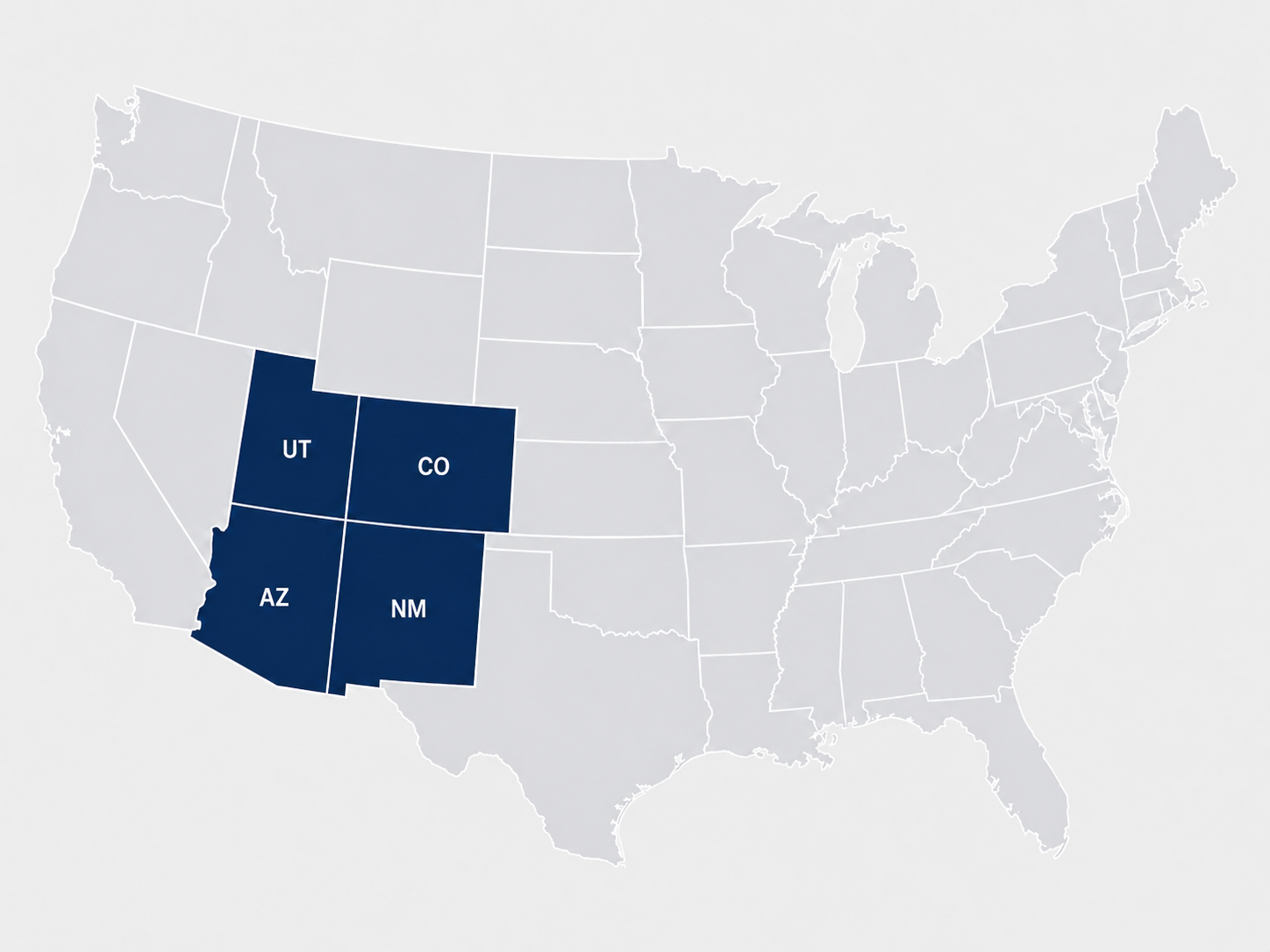
Coal in the U.S. southwest: from legacy power generation to strategic carbon based materials, minerals, and industrial resilience
Published: April 2026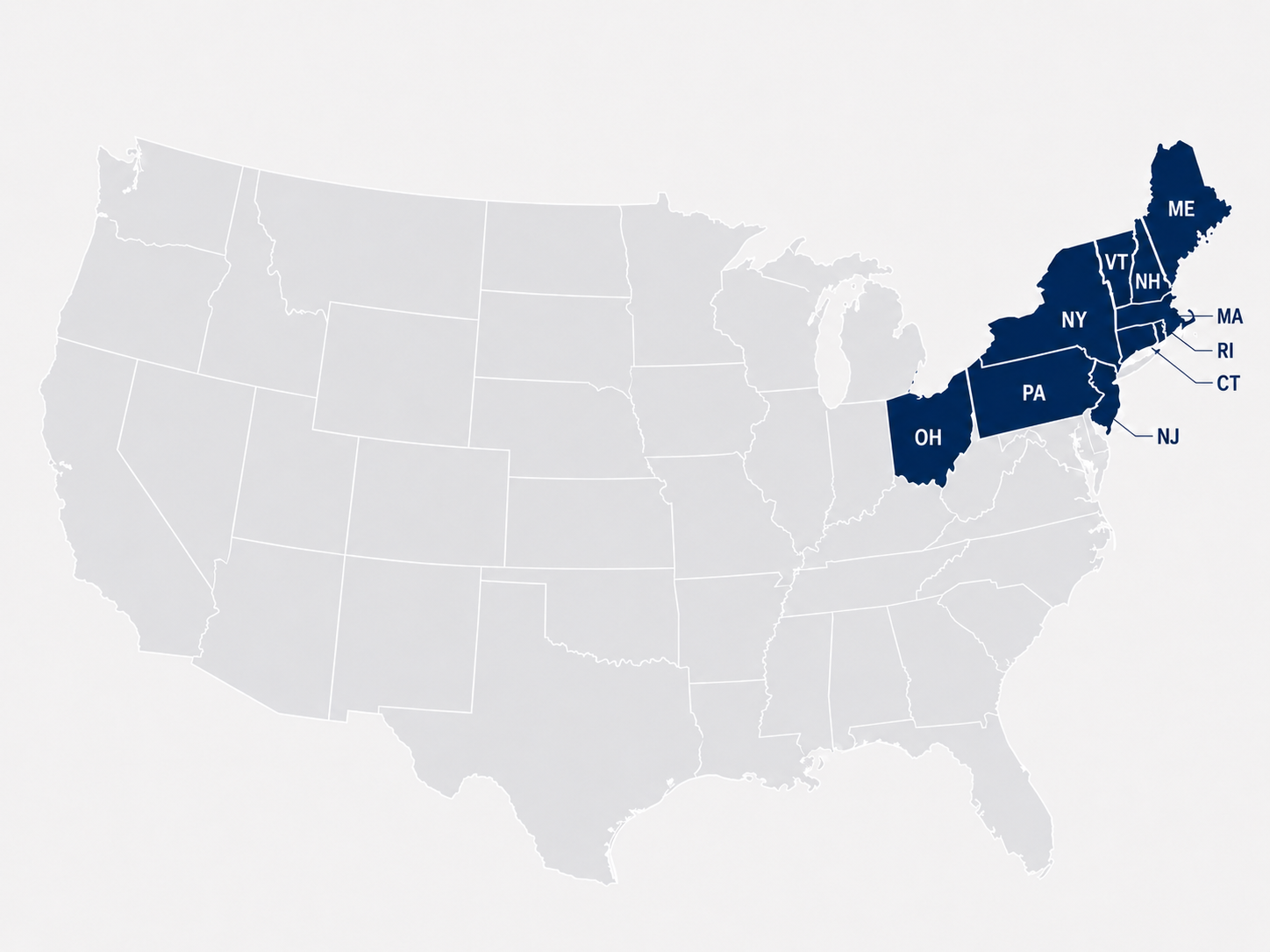
Coal in the northeast united states: legacy infrastructure, grid reliability, and emerging industrial pathways
Published: February 2026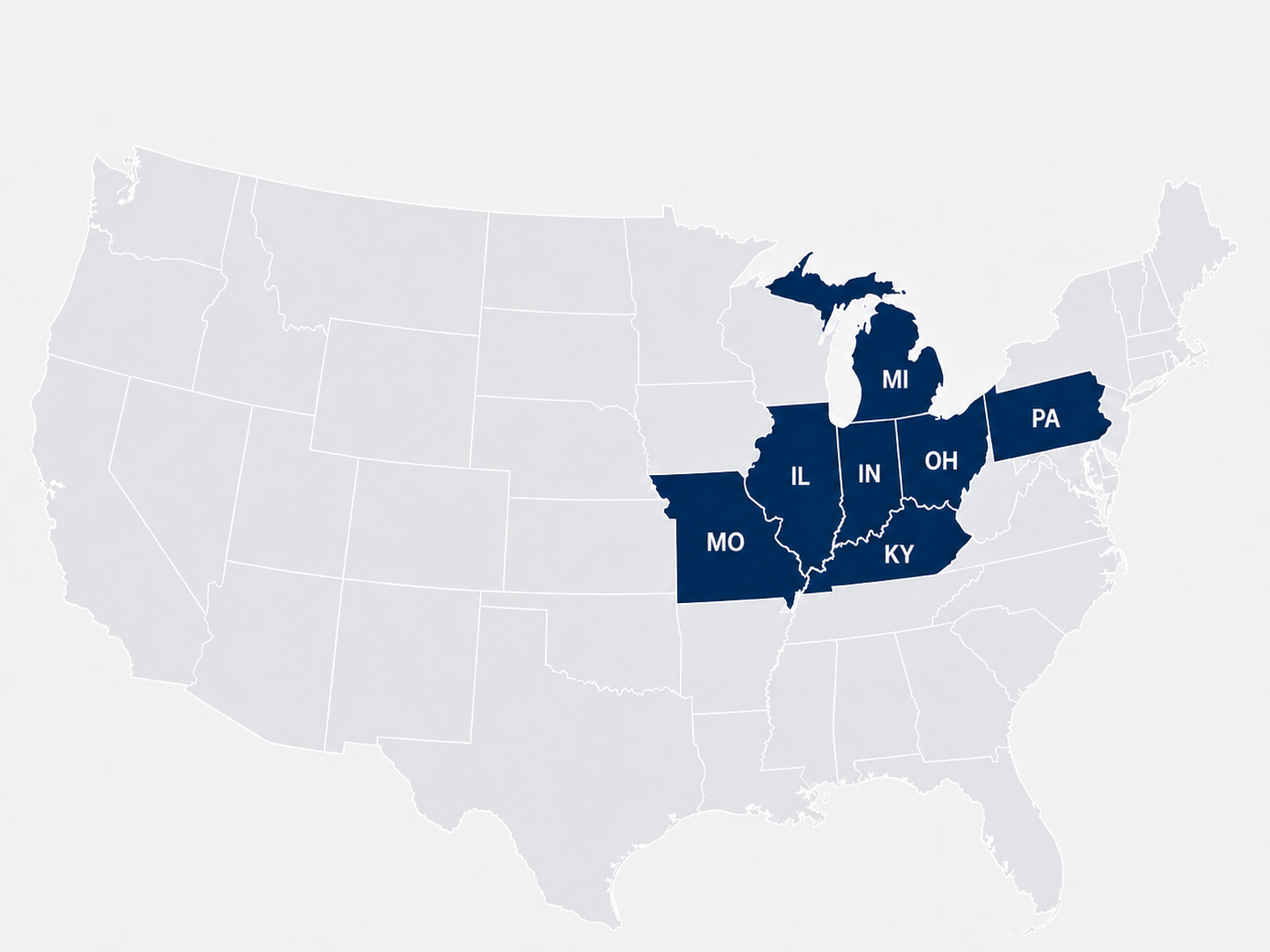
Coal in the midwestern united states: baseload strength, industrial integration, and reliability
Published: February 2026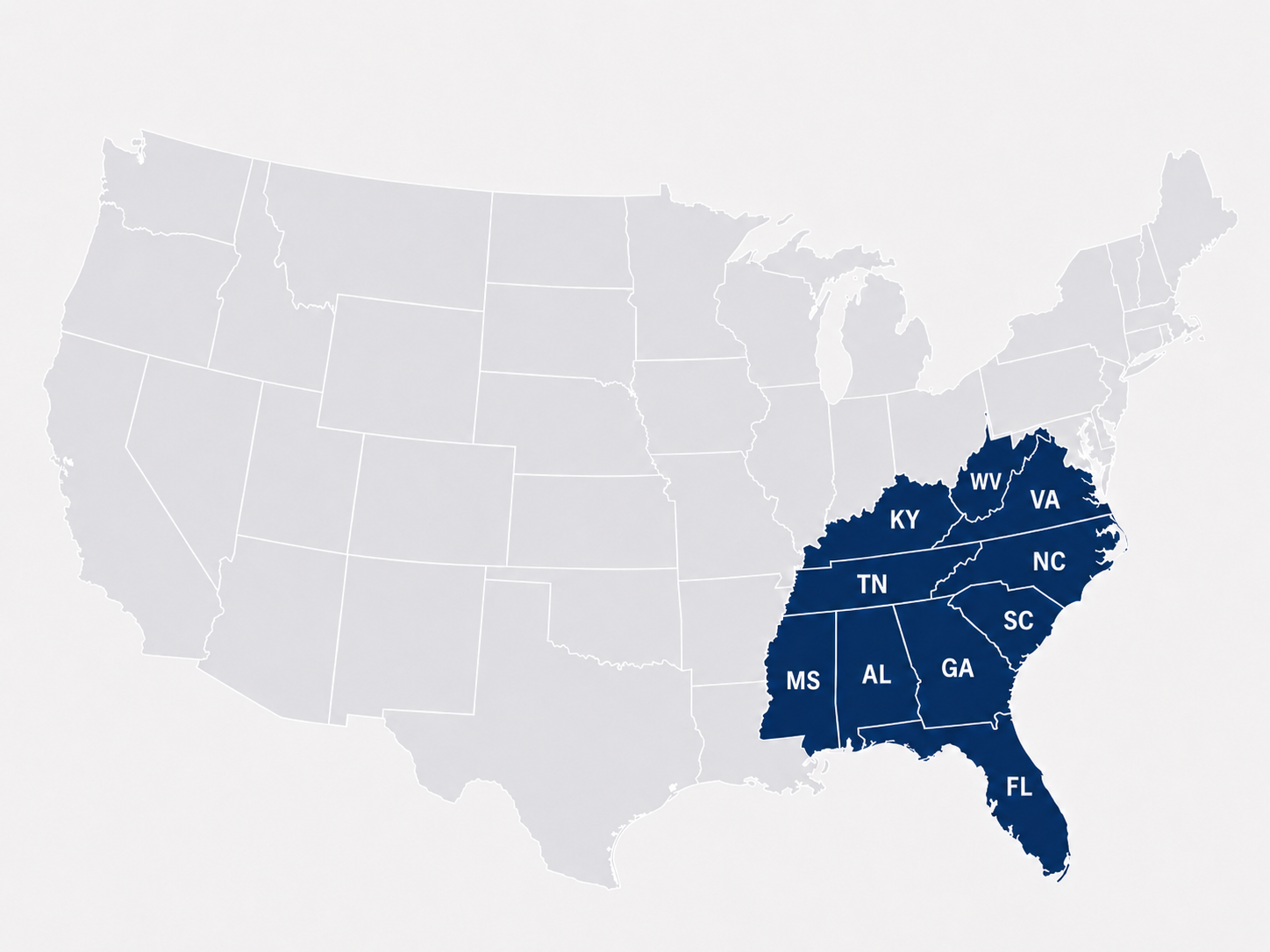
Coal in the u.s. southeast: reliability anchor and emerging platform for carbon and critical minerals
Published: February 2026
About the Author
Beata Bialy is a Non-Resident Fellow with the United States Energy Association, where she produces research and publications on energy policy, and the strategic role of domestic energy resources in supporting U.S. economic competitiveness and energy security.