
OVERVIEW
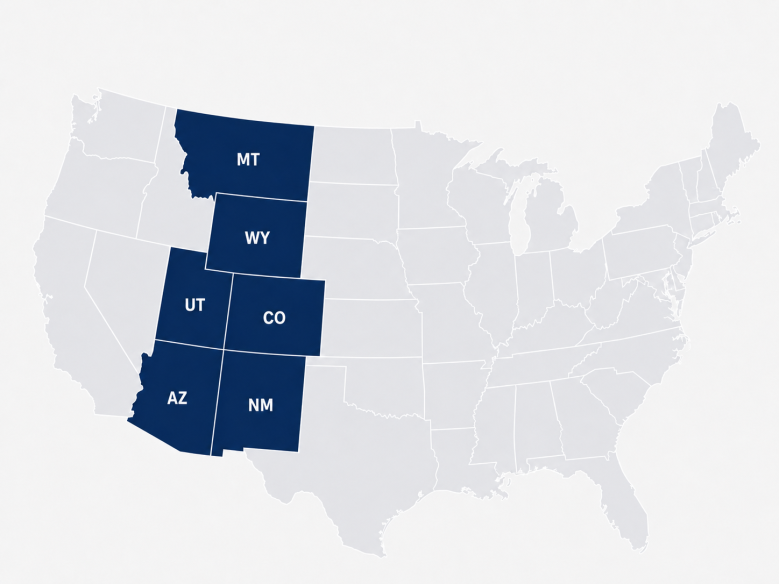
Coal has played a central role in the economic development and energy infrastructure of the Western United States. Anchored primarily in the Powder River Basin (PRB) of Wyoming and Montana, Western coal resources have historically supplied electricity generation across a vast geographic region stretching from the Rocky Mountains to the Pacific Coast. The basin’s low-sulfur subbituminous coal, combined with extensive rail infrastructure, enabled large-scale coal shipments to utilities across the Western Interconnection and beyond, making the region a cornerstone of the United States’ domestic fuel supply. Western coal remains strategically significant due to the scale of the Powder River Basin resource base and the role of coal-fired power plants in maintaining grid reliability across the Western electricity system. According to the U.S. Energy Information Administration (EIA), Wyoming alone accounts for roughly 40 percent of total U.S. coal production, making it the largest coal-producing state in the nation. Powder River Basin mines collectively produce hundreds of millions of short tons annually. In 2025-2026, energy policy discussions in Washington increasingly emphasize domestic energy production, fuel security, and grid reliability as electricity demand from data centers, advanced manufacturing, and electrification increases. Given this policy context, Western coal resources and existing coal-fired generation are being evaluated as strategic assets supporting energy security, transmission stability, and industrial development. This article examines the evolving role of coal in the Western United States, focusing on resource development, reliability considerations in the Western Interconnection, federal land policy, industrial demand drivers, and potential pathways for modernization and strategic utilization
| Attachment | Size |
|---|---|
 US Western Coal March 2026 FINAL.pdf US Western Coal March 2026 FINAL.pdf | 672.42 KB |

 PDF
PDF